
How to Become an Electrician in the UK in 2026
If you’re the kind of person that likes to get stuck in problem-solve and see the result of what you’ve done then becoming an electrician could be right for you․
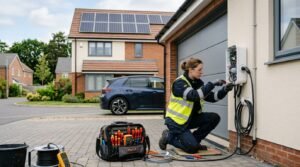
Electricians install maintain and repair electrical systems in homes businesses and other buildings The work is becoming increasingly affected by low-carbon technologies with electricians helping connect electric vehicle charging points and solar panels for example․
The good news is that you don’t have to go to university to become an electrician There are several routes into the job but it’s important to choose the right training․
How Much Does an Electrician Earn in the UK?
According to the National Careers service salaries for electricians range from around £26‚000 for newly qualified electricians to £45‚000 for experienced electricians․
Of course the above figures do not tell the whole story.
Your earnings can depend on where you live, your experience, the type of electrical work you do and who you work for. An experienced electrician who becomes self-employed may have a different income from someone working for a large company. However, being self-employed also means taking care of things such as finding customers, quoting for jobs, insurance and paperwork. So, don’t look at the highest salary figure and assume you’ll earn that immediately. Building experience takes time.
Do You Need a Degree?
No.
This could be a reason why becoming an electrician is popular among people.
There are different options to enter this craft such as an apprenticeship or college education. The official website of the apprenticeship service offers Level 3 pathways such as a domestic electrician, installation and maintenance electrician.
For a person starting from zero, an apprenticeship is especially beneficial since one gains practical skills in the working environment.
What About College?
A college course can give you the basic technical knowledge you need to carry out electrical work․
However‚ don’t expect to complete a short course in the classroom and be ready to work on your own as an electrician․
Electrical work is safety critical․ You will need to be trained‚ experienced and qualified for the work you are doing․
The National Careers Service recommends researching the qualifications and experience needed to be the type of electrician you want to be․

What does an electrician actually do?
The work can be fairly varied․
Depending on your job role you might:
- Install electrical wiring and equipment
- Test electrical systems
- Find and repair faults
- Read technical plans
- Maintain existing installations
- Work on new construction projects
You also need to follow safety procedures carefully.
This matters because electrical work is not the kind of job where it is possible to just “learn as you go” without required training and supervision.
What Abilities Do You Have?
It is not necessary to be a math genius.
You need to understand the basics of mathematics and have good awareness of little details.
Other important skills are:
Problem-solving:
You might have to do some inquiries to find why an electrical system has some problems with its functioning.
Practical abilities:
Much of the work is done through using different instruments and dealing with physical devices.
Attention to details. Little mistakes can lead to a big issue regarding safety.
Communication skills:
You might encounter situations when you need to clarify your work done, either to a client, a colleague, or a manager.
Patience:
Not all jobs go to plan.
Practical skills, attention to detail, technical awareness, and ability to work safely according to the National Careers Service.
Is Electrician a Good Career for the Future?
There are some interesting opportunities.
The UK’s move towards electric vehicles and renewable energy means electrical skills are being used in areas that didn’t exist at the same scale a few years ago.
For example, electricians can work with EV charging infrastructure and solar technology, alongside more traditional electrical work.
However, I wouldn’t choose the career simply because somebody says electricians are “in demand”.
The question that needs to be asked is whether or not you really love working practically and feel happy to put in the effort required to learn the craft properly.
How Long Should It Take?
There is no definitive answer because the path you take is important.
Certain apprenticeship pathways take a few years. According to official apprenticeship recommendations, the Level 3 Installation and Maintenance Electrician route takes an average of four years to complete.
This may seem lengthy, especially considering how many ads for short electrical courses you can find online.
However, there is a crucial difference between completing a short electrical course and being appropriately qualified for professional electrical work.
Do not choose a training provider just because it guarantees when you will be qualified. Do your research on what qualifications you will receive and if the training includes valuable hands-on experience.
How to Start Your Career
If you begin from the ground up, you should simplify the entire procedure.
The first step is searching for apprenticeship programs for electricians through the official GOV.UK apprenticeship service.
The second step is to compare the necessary qualifications and training.
Subsequently, if you are not able to enroll in an electrician apprenticeship, consider your training options in colleges.
Furthermore, gain as much practical experience as possible.
Finally, continue developing your knowledge even after completing your training.
Where to Find Electrician Apprenticeships
The official GOV.UK Find an Apprenticeship service is among the best resources you can use to begin searching for an apprenticeship. Through this service, you can find electrical vacancies and research the employers and their needs.
Avoid relying solely on social media advertisements for your training or job hunt. If you want to invest money into a course, always look for information on the qualification and the organization delivering it.
Final Thoughts
Becoming an electrician does not mean you are going to make a fortune in a short time.
It takes training, patience and a serious attitude towards safety.
However, if you enjoy practical work and want a skilled career without necessarily going to university, it can be a very worthwhile option.
Just take the first properly informed step.